
새발블로그
Data Structure Concepts 본문
Definition
- DATA : collection of raw facts
- Data Structure : Representaion of logical relationship existing between individual elments of data
NEEDS
- To solve complex requirement
- To representation and organize
- Facilitates access and modification of data
- Formulating logical of mathematical description
Program = Algorithm + Data Structure
- Algorithm - step procedure
- Algo & DS ==> Independent
Classification of Data Structure
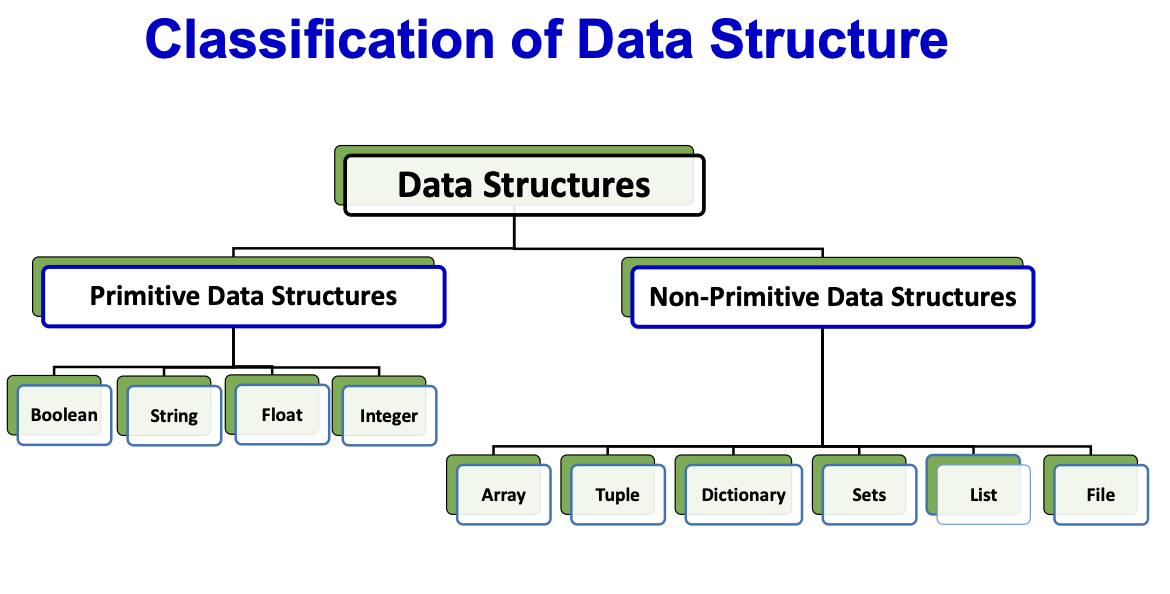
Primitive Data Structure
- directly operated upon the machine-level instruction
- Common types : Integer, Float, String, Boolean etc
- Create, Update, Select, Destroy or Delete
Non-Primitive Data Structure
- sophisticated Data Structures
- derived from primitive data Structures
- homogeneous(same type) or heterogeneous (different type)
- Traversal, Insertion, Selection, Searching, Sorting, Merging, Destroy or Delete
Types of Data Structure
abstract data type : 구현방법 명시x, 어떠한 연산에 대한 정의만
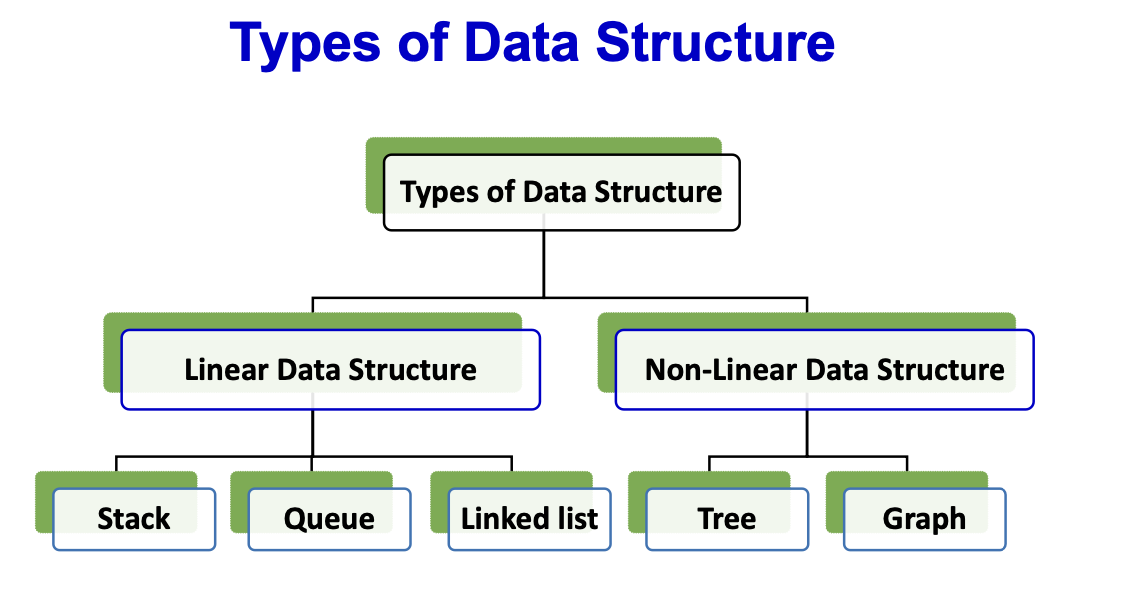
Linear Data Structure
- homogeneous elements
- sequence, linear series
- easy to implement (computer memory->lenear fashion)
- Stack, Queue, Linked lists
Stack

- abstract data type
- adding & removing : the top of the stack
- LIFO(Last in First out), FILO(First in Last out)
- push() : insert
- pop() : delete
- Stack-Overflow : full
- Stack-Underflow : empty
Undo mechanisms, Recursion/function calling, Expression conversion
Queue
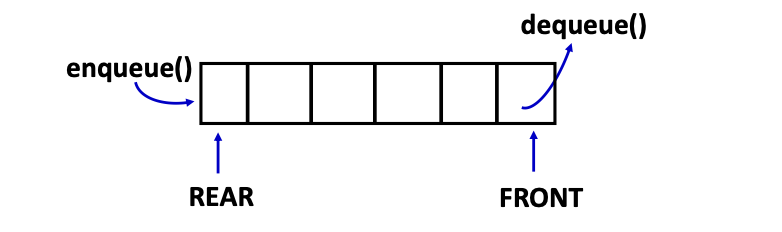
- abstract data type, linear data structure
- REAR : where inserted first element is located
- FRONT : where removalexisting elements happens
- FIFO(First in First Out)
- enqueue() : inserting element in the rear
- dequeue() : removing element from the front
- peek() : return the value of first element without dequeuing it.
Hardware queues, Network routers, Operating sytems(CPU Schdulig), Airport take-off)
Linked List
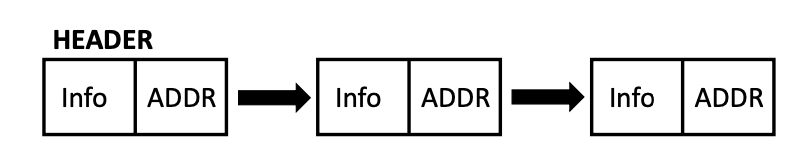
- linear data structure, a group of nodes in a sequence
- node holds own data, the address of the next node <-chain-like structure
- Singly Linked List, Doubly Linked List, Circular linked List
Singly Linked List
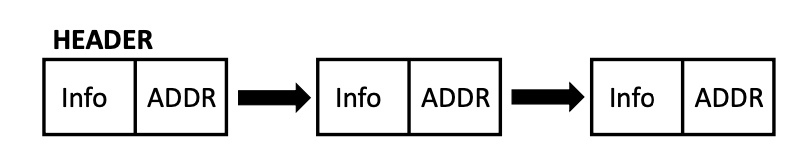
- node : data & address(point to the next node)
- operation : insertion, deletion, tranversal.
Doubly Linked List

- node : previous & data & next
Circular Linked List
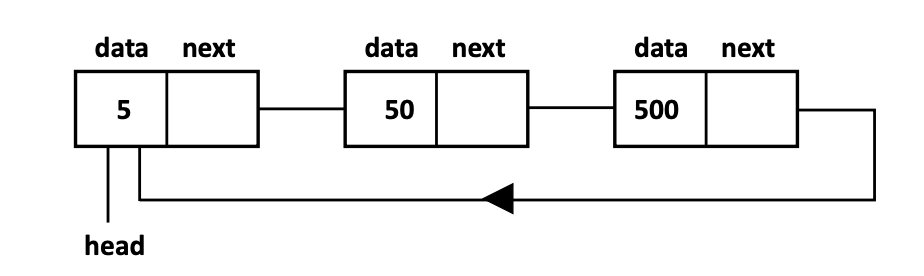
- last node holds the address of the first node
Making any list, Basic of dynamic memory allocation, efficient memory management
Non-Linear Data Structure
- connection with other data items
- hierarchical, parent child relationship
- not arranged in a sequential structure
- Trees, graphs
Binary Tree
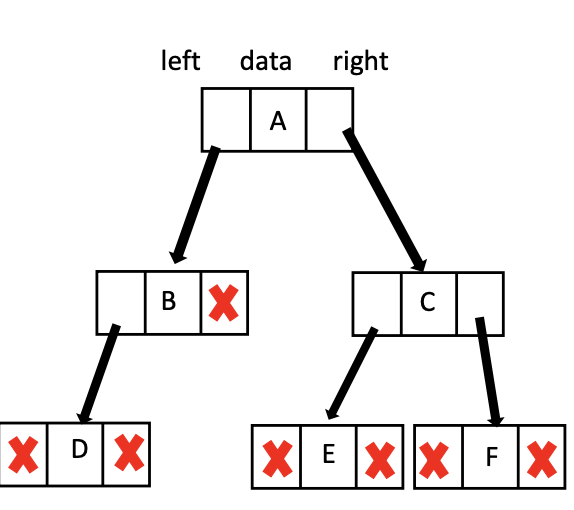
- hierarchical data structure, each node has at most two childern
- left child, & right child
- node : pointer to left subtree & pointer to right subtree & information element
- Root : topmost node
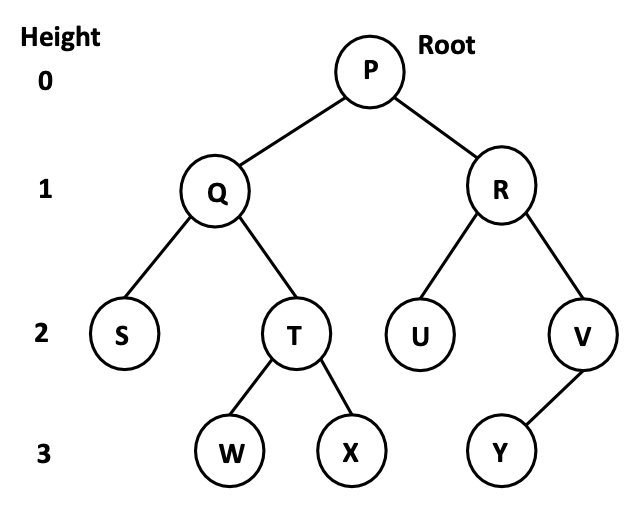
- Root : P
- Nodes: 10
- Height or Tree : 3 (from 0)
- P : parent / Q & R : child
Rooted Binary Tree : root node, every node(at most the childeren)
Full Binary Tree
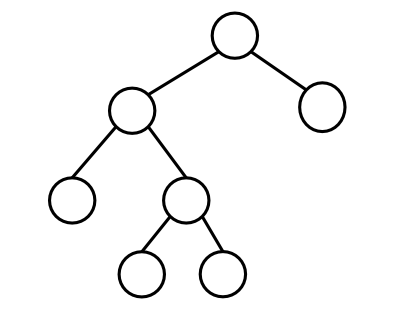
- children : 0 or 2
Perfect Binary Tree

- children : 2
- same leaf level
Complete Binary Tree
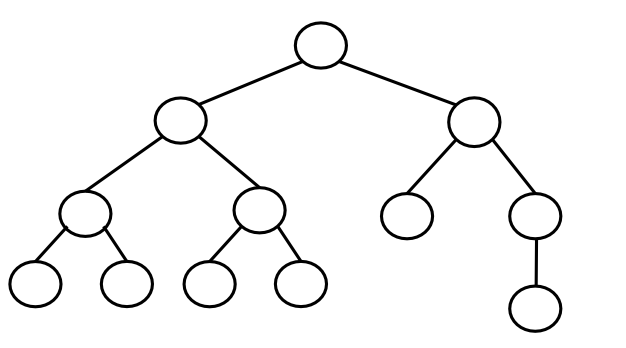
Balanced Binary Tree
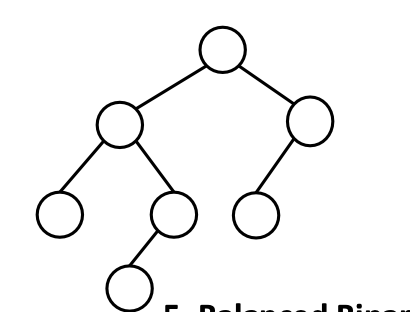
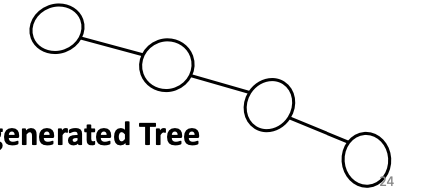
Degenerated Tree
Searching, Time & Geography & Ancestry
Graph
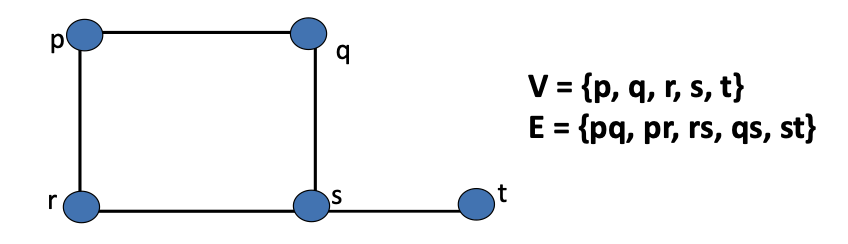
- pictorial representation of a set of objects
- vertices(V) : points represents objects
- edges(E) : links connect the vertices
- Graph : a pair of sets(V,E)
Simple Graph
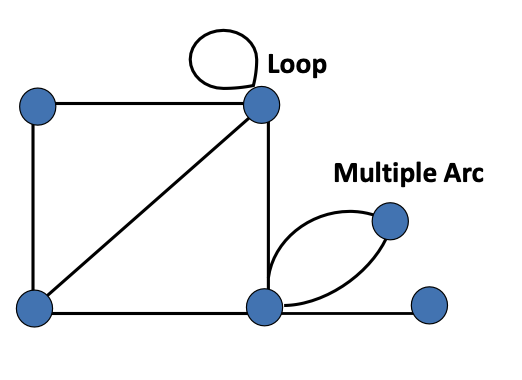
Directed Graph
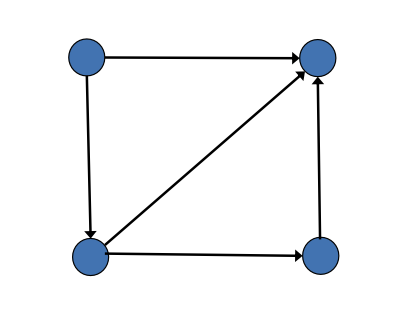
- arrow
Weighted Graph
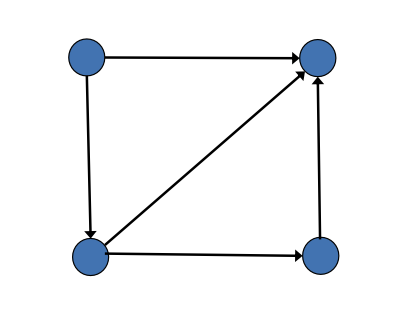
Bipartite Graph
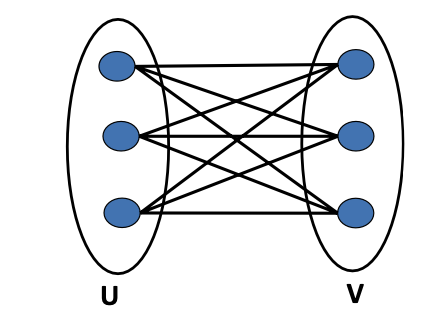
Almost any complex problem, Network nodes
'Computer Science > Data Structure' 카테고리의 다른 글
| Queue (0) | 2023.08.09 |
|---|---|
| Stacks (0) | 2023.08.09 |
| Complexity Analysis (0) | 2023.08.09 |
| C programming (0) | 2023.08.09 |
| C Basics (0) | 2023.08.09 |
'Computer Science/Data Structure' Related Articles
more


